剧情
剧情特别推荐
 2014剧情正片
逃亡者2014
Refugiado Pod ochrona (波兰)
逃亡者2014演员:朱丽叶塔·迪亚兹,Sebastián Molinaro,Marta Lubos,Valentina García Guerrero,Silvia Bayle,Sofia Palomino,Sandra Villani
简介:8岁的马蒂亚斯和怀着身孕的母亲劳拉,因无法再忍受法比安一次次升级的暴力,匆忙逃离了他们居住的家。离开并不意味着结束,母子二人很快陷入漫长而不确定的漂泊之中,只能不断寻找临时的栖身之所,在亲友、旅途与陌生空间之间辗转。一路上,劳拉一边设法保护孩子和腹中的胎儿,一边面对现实生活的脆弱与恐惧;马蒂亚斯则在惊慌、困惑与成长之间,逐渐理解大人世界里的残酷。影片以细腻克制的方式,呈现家庭暴力阴影下的逃离、守护与求生,也描绘了一个母亲为孩子寻找安全感的艰难过程。
 2026剧情7.4
抓特务
无悔追踪 I Know Who You Are
抓特务演员:雷佳音,胡歌,啜妮,张瑶,林晓凡,杨舒伊,刘佩琦,姜武,杨青,陈国星,于震,黄曼,张雪迎,梁洁,于和伟,甘昀宸,王锐,蔡家明,丁文博,王啸宇
简介:《抓特务》根据张策小说《无悔追踪》改编。新中国成立初期,派出所所长肖大力凭敏锐直觉,盯上了潜伏在土唐刀胡同15号院的特务“5182”冯静波。为了查清对方身份与来历,肖大力干脆搬进院子,与这个看似普通的住户做起了朝夕相处的邻居。 一边是锲而不舍的追查,一边是深藏不露的伪装,两人在漫长岁月中你来我往、斗而不破。随着相处日深,这场猫鼠较量不再只是简单的敌我对抗,也牵连出两个家庭、两代人的命运沉浮。时代更迭、人情冷暖、胡同里的日常烟火,都让这段关系变得愈发复杂。 当半生风雨过去,曾经针锋相对的两个人,早已超越了单纯宿敌的定义,在追捕与陪伴之间,映照出特殊年代里普通百姓的悲欢与选择。
豆瓣评分7.4 2026剧情6.1
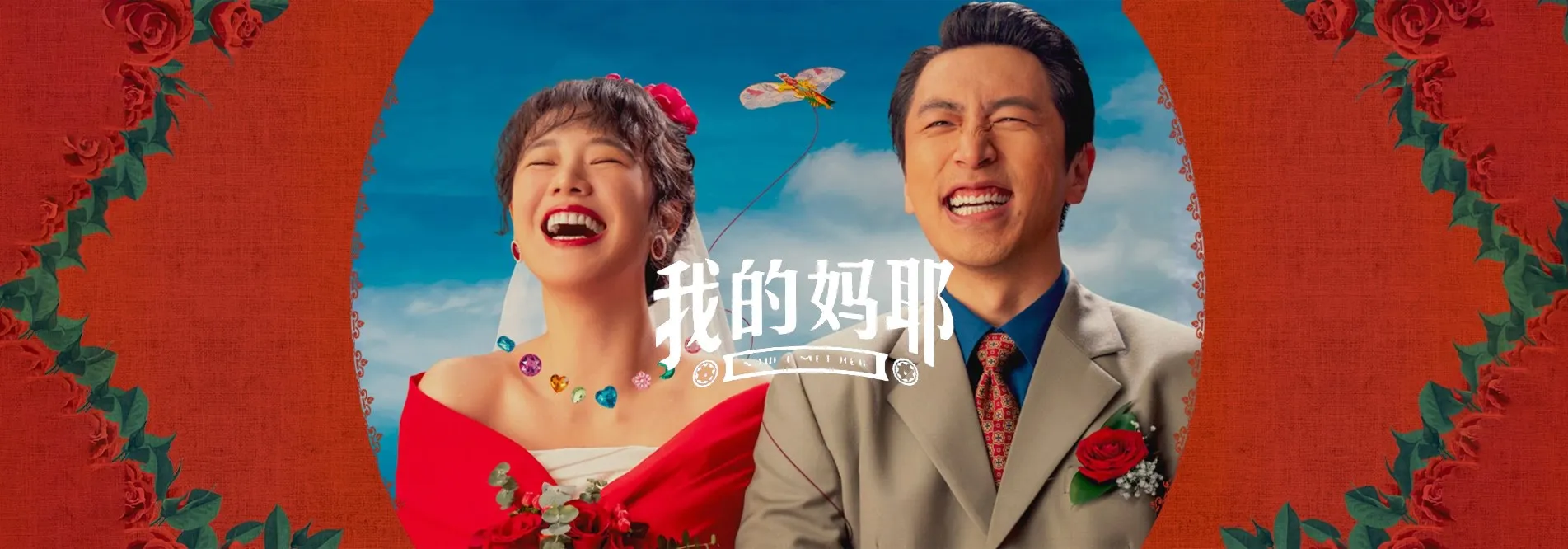
我的妈耶
我认识我妈妈 我的妈呀 Now I Met Her
 我的妈耶
我的妈耶演员:马思纯,白客,黄明昊,孙阳,梁靖康,嵇嘉禾,王天放,雷淞然,郭虹,张子贤,孔连顺,王海,赵梓淇,马旭东,张祐维,丁子玲,刘杰毅,于晞悦,张红爽,李国玺,李川
简介:从小由父亲独自抚养长大的少年十一,对在自己出生时便离世的母亲东玉几乎毫无印象。18岁生日这天,他意外发现一本母亲留下的日记。出于好奇,也带着青春期的别扭与疑问,十一翻开日记,开始了一场迟来的“认识妈妈”之旅。 随着文字展开,东玉生命中不同阶段的重要人物逐一出现:陪她走过青春的朋友、让她心动的初恋、共同成长的发小,以及最终与她组建家庭的张永勋。那些关于友情、爱情、亲情的往事,被一点点拼凑成东玉短暂却明亮的一生。 在追寻母亲过去的过程中,十一也重新理解了父亲与家庭,慢慢读懂了母亲未曾说出口的牵挂与爱。影片以温暖又略带幽默的方式,讲述一个少年在回望母亲人生时完成自我成长、与亲情和解的故事。
豆瓣评分6.1 2026剧情7.4
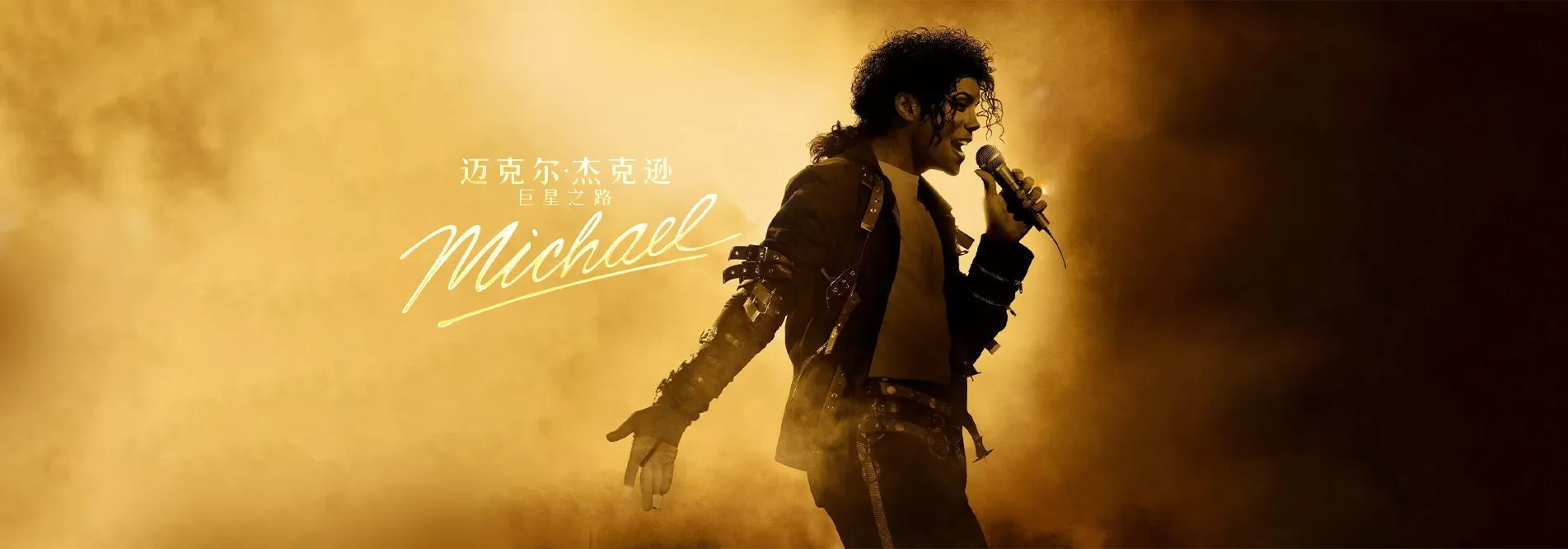
迈克尔杰克逊巨星之路
Michael 米高积逊(港) 麦可杰克森(台) 迈克尔
 迈克尔杰克逊巨星之路
演员:贾法尔·杰克逊,尼娅·朗,朱利亚诺·瓦尔迪,科尔曼·多明戈,迈尔斯·特勒,凯林·多瑞尔·琼斯,劳拉·哈里尔,杰西卡·苏拉,麦克·梅尔斯,肯德里克·桑普森,拉伦兹·泰特,约瑟夫·戴维-琼斯,贾马尔·亨德森,莱恩·希尔,特雷·霍顿,朱达·爱德华兹,杰登·哈维尔,杰林·林登·亨特,纳撒尼尔·罗根·麦金泰尔
简介:《迈克尔杰克逊巨星之路》以“流行天王”迈克尔·杰克逊的人生为主线,回望他从杰克逊五人组时期崭露头角,到一步步成长为席卷全球的超级巨星的历程。影片不仅呈现他在音乐、舞蹈与舞台表演上的惊人天赋,也着重描绘聚光灯之外的私人世界:成名的压力、不断突破自我的创作欲,以及他在荣耀与争议中寻找自我位置的挣扎。 故事通过多个重要人生阶段,重现其早年个人事业中的代表性演出与经典时刻,让观众看到一个不止属于舞台神话的迈克尔·杰克逊。片中既有璀璨耀眼的高光时刻,也有他面对家庭、事业与内心孤独时的脆弱与矛盾,试图以更贴近人物的视角,勾勒这位世界级娱乐偶像复杂而传奇的一生。
豆瓣评分7.4
剧情
 1971剧情正片
蓝色的时光
The Blue Hour
 1971剧情正片
骑士返乡
The Windsplitter
 1971剧情正片
吹口哨的猫
A sípoló macskakö
 1971剧情正片
斯帕尔特
Die Spalte Making of a Prostitute
 1971剧情正片
性轮回寻死之女性輪廻
性輪廻 死にたい女 The Woman Who Wanted To Die
 1971剧情正片
人民公仆
The City
 1971剧情7.1
同性恋不是变态东西,变态的是他所活着的社会
Nicht der Homosexuelle ist pervers sondern die Situation in der er lebt 非同之罪 It Is Not the Homosexual Who Is Perverse But the Society in Which He Lives
同性恋不是变态东西,变态的是他所活着的社会演员:Bernd Feuerhelm,Berryt Bohlen,Ernst Kuchling,Volker Eschke,Michael Bolze,Steven Adamczewski,Dietmar Kracht,Norbert Losch,Manfred Salzgeber
简介:It Is Not the Homosexual Who Is Perverse, But the Society in Which He Lives (Nicht der Homosexuelle ist pervers, sondern die Situation, in der er lebt) is the earnest title of Rosa von Praunheim’s 1971 PG-chaste first feature, which has aged like good cheese from a scandalous sensation (a political wakeup call to gays) into a textbook example of classic camp—and a delightful time warp trip through queer cliché. The very colorful color film (shot MOS) opens with von Praunheim’s camera trailing two fags—one blonde, one brunette—walking down a sunny Berlin street. Daniel, the shy brunette, is new to the big city and blonde Clemens is generously offering him a place to stay. (We know this by the heavily German-accented English, dubbed and spoken in a “Sprockets” cadence.) “It’s so hard to find someone who’s sincere,” Clemens’ voice says as they cuddle on his bed back at the apartment. “I really dig you.” Then, from out of nowhere, a grave, German-accented, Moses-like voiceover explains that “faggots long for loving relationships”, but “live in a dream world of glossy magazines and Hollywood movies.” Now naked in bed with Daniel, Clemens proclaims, “I’d like to throw the window open and show the whole world how wonderful it is when two men are in love!” And so it goes. Daniel fusses over his hair in the mirror while Clemens’ heartsick Teutonic voice narrates their newfound domestic bliss. “Every hour and minute I spent alone was torture for me.” Luckily, the lovebirds spend plenty of time doing things like “watching television to further our education” and housecleaning together. They also read or write letters. “Dear Mother,” Daniel’s voice begins. But alas, as Clemens stares into a cabinet chock full of knickknacks, that damn nagging Moses voiceover returns. “Faggots try to imitate middle class marriage,” he hisses, holding forth on the subject of men taught to be in competition with one another, to be self-involved—dooming the faggot relationship. Next thing you know, Daniel’s sad voice sighs, “Four months have passed. I’ve decided to leave Clemens.” Then a jaunty, genial German narrator intones, “Daniel was often cruised by a well-to-do man.” And there’s girlfriend strolling along with the tight-panted “benefactor at his country estate!” As they stop for a glass of champagne beside a statue, Moses abruptly thunders about the myth that the homosexual’s “interest in the arts is a way to make life more bearable,” when in reality “the arts are a tool for the rich and powerful,” for it makes it “much easier to get them into bed.” Cut to a piano and a wild-eyed fag singing about Deutschland! Nearby, the benefactor plays with his ascot, a gaudy silver ring in the shape of an insect on his finger. The camera pulls back and pans around the roomful of old queens respectfully listening to the recital. Moses announces, “Youth and good looks are tremendously important to old fags.” Like Hitchcock’s birds, the elderly Marys are suddenly swarming over poor Daniel—who gets nauseous and runs out the door. Then it’s off to an outdoor café—with a big sign reading “Moby Dick’s.” The genial German narrator informs that Daniel’s found a new job working at a “meeting place for homosexuals” where “conversations about film, fashion and physical culture give him ideas about how to fill his leisure time.” Moses butts in to add that faggots “gather to listen to Nina Simone, Judy Garland and Barbra Streisand” and “gather at Fire Island and San Francisco.” He intones, “Fashion has to be like a second skin that suggests the size of the cock.” A sissy saunters down the street in knee-high moccasins and shorts. Moses also warns, “The young fag must give up his interests for more homosexual interests.” And there’s Daniel sunning himself with his fellow homosexuals! Moses snipes, “He was entranced by his strong body and butch style” as a torso, hairy chest and tight blue jeans, appears in medium close up. The genial German offers, “Daniel could sit for hours and enjoy being cruised.” Then: “Wolfgang had a lot in common with Daniel” as the two mop-haired, mutton-chopped boys rub lotion on one another. But all is not well in fairyland. Moses brings news that Daniel has begun going to gay bars—is becoming addicted! And, yup, there’s Daniel, wandering around a dark and dingy hole. Moses explains, “It’s easy for faggots to find one another because they offer themselves on street corners like whores.” Cut to a queen having a hissy fit in front of the bar as another tries to calm her down, all while Moses holds forth on sad fags, how they don’t know how to use their sexual freedom for happiness, how their “greatest enemy is the conspicuous queen.” Two fairies in short shorts appear in the frame, fawning over two embarrassed fags. Moses laments, “Daniel now has no other interest than being a fag.” Cut to a motorcycle gang, leather boys cruising one another amongst the nighttime trees. They feel up each other’s zippers, chains, and studs—a clothed grope fest as Moses teaches that, other than “trans-westites, [who] long for women’s organs, leather freaks are the fags with the most hang-ups.” In fact, “The leather queers are really nice, polite people who suffer from their own weakness.” And that’s when Daniel, “bored with talking,” fatefully leaves the bar scene for the park where he “slowly made his way through the tense choreography of men.” (So sayeth Moses.) Cut to outside a public restroom (a “well-known meeting place”). Men who cruise restrooms “despise tearoom trade,” the voice of Moses trembles. Hustlers—“usually runaways from broken homes” who are “often not queer”—frequent these spots. (Assorted hustlers and fags mill about as a piece of rough trade stands like a sentinel in front of the door.) A group of queers emerge and pile circus-style into a car. An old fag cruises Daniel but strikes out (duh!) before getting beat up by rough trade. Next up: a drag queen singing in a mixed homo bar—a tattooed leather daddy staring stoically from a table nearby. And there’s Daniel! He’s “drowning himself in alcohol and cigarettes” while other fags try to “forget themselves in a frantic atmosphere”—i.e., a black guy and a white guy doing a chicken dance to “Rock Around The Clock”, which blares from the jukebox. An old yodeling queen appears. Daniel sees his friend Paul, asks if he can go back to his communal pad. And that’s where von Praunheim’s film finally reaches its climax—a psychotherapy session with a group of naked fags! Sitting in a circle, they berate Daniel in their dubbed voices. “You’ve become a real full time faggot!” “You’re becoming neurotic, a whore who doesn’t even get paid!” The Teutonic accents start calling for a gay pride awakening, a consciousness-raising “We’re here, we’re queer!” movement. “Queens and butches have to stop opposing and fight together side by side!” “Come out of the closet! Take to the streets!” “Erotically free! Socially involved!” The commentary continues even as the credits roll over a pink background—even as I can’t stop laughing over the “trans-westites,” leather freaks, and glorious tearoom trade.
豆瓣评分7.1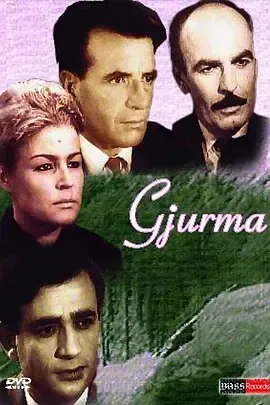 1970剧情正片
脚印
Gjurma Track kenga e shqies
脚印演员:纳伊姆·弗拉什里,玛加丽塔·杰帕,Demir Hyskja,Pjetër Gjoka,Zejnulla Hatibi,恩德雷克·卢卡,亚历山大·普罗西,比奥莱塔·马努希,Shkëlqim Basha,雷沙特·阿尔巴纳,Bujar Kapexhiu,Kristaq Antoniu,Ymer Bala,Kadri Pirro,克里桑蒂·科特米洛
简介:阿尔丹出身于老游击队员家庭,少年时期曾跟随父辈参加反法西斯斗争。解放后,他投身医学,凭出色的医术成为一名优秀外科医生,也因此收获了许多赞誉。起初,掌声和名望让他一度滋长了骄傲与私心,甚至开始追逐个人名利。后来,在现实与内心的双重触动下,他逐渐认识到自己的偏差,主动放下虚荣,前往边疆林区为工人治病。此时,昔日常为他捧场的载菲克暴露出特务身份,企图逼迫阿尔丹带路,帮助自己逃越国境。面对威逼利诱,阿尔丹始终不肯背叛祖国,最终在与特务的搏斗中英勇牺牲。
 1970剧情7.9
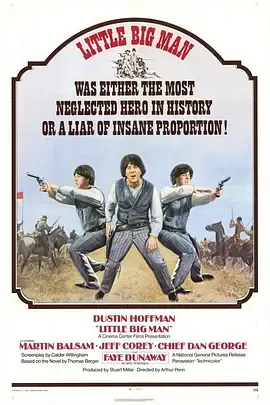
小巨人1970
Little Big Man 小人物 小大人
小巨人1970演员:达斯汀·霍夫曼,费·唐纳薇,Chief Dan George,马丁·鲍尔萨姆,理查德·马利根
简介:年迈的杰克·克拉布自称已活过一个多世纪,在回忆中讲述自己跌宕起伏的一生。童年时,他在白人与印第安人冲突中幸存,先后被部族收养、回到白人社会,又不断在两种文化之间漂流。成长过程中,他做过猎人、江湖郎中、枪手学徒,也见识过军人、传教士与投机者的虚伪和残酷。随着命运将他一次次卷入边疆冲突,他既亲历西部传奇人物的盛名,也看清所谓开拓神话背后的暴力与谎言。影片以讽刺、幽默又苍凉的笔调,从一个“小人物”的视角重新审视美国西部历史,呈现白人与原住民之间复杂而血泪交织的时代真相。
豆瓣评分7.9 1970剧情7.7
克莱尔的膝盖
让-克劳德·布里亚利 奥罗拉·科努 碧翠丝·罗曼德 洛朗丝·德莫纳汉
 1970剧情7.9
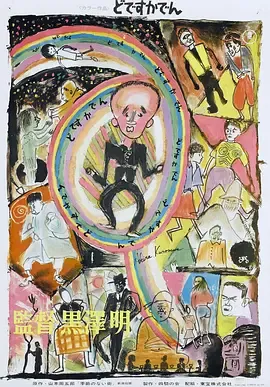
电车狂
どですかでん 没有季节的小墟 Dodesukaden Clickety-Clack Dô desu ka den Dodes'ka-den
电车狂演员:头师佳孝,菅井琴,殿村敏之,三波伸介,楠侑子,伴淳三郎,丹下喜代子,日野道夫,古山桂治,下川辰平,田中邦卫,吉村实子,井川比佐志,沖山秀子,松村达雄,辻伊万里,芥川比吕志,奈良冈朋子,三谷升,川濑裕之,根岸明美,江角英明,加藤和夫,荒木道子,盐泽登代路,桑山正一,三井弘次,杰瑞·藤尾,谷村昌彦,渡边笃,藤原釜足,园佳也子,新村礼子,人见明,江幡高志
简介:《电车狂》以一处贫民聚居地为背景,采用群像方式描摹社会底层人物的日常处境。片中最令人难忘的是智力障碍少年小六,他每天模仿驾驶电车,口中反复发出“电车行进”的声响,在想象世界里获得尊严与快乐。围绕这对母子,影片还串联起一群为生计奔波、被现实压得喘不过气的小人物:有人困于贫穷与疾病,有人沉溺幻梦,有人挣扎着维持家庭与体面。黑泽明用近乎残酷的现实笔触,呈现底层生活的荒凉,同时又以鲜艳色彩与温柔目光,保留人物内心最后一点希望。影片借破败社区中的众生相,追问人在困境中如何活下去,也呈现幻想、善意与尊严对生命的微弱支撑。
豆瓣评分7.9 1970剧情6.0
校园女孩报告父母认为不可能的事
Schulmädchen-Report 1. Teil - Was Eltern nicht für möglich halten Schoolgirl Report Part 1: What Parents Don't Think Is Possible
校园女孩报告父母认为不可能的事演员:Günther Kieslich,Wolf Harnisch,Helga Kruck,弗里德里希·冯·图恩
简介:《校园女孩报告父母认为不可能的事》以一场围绕“是否开除与司机发生关系的女学生”的校方讨论为引子,将多个与青春、性认知和家庭观念有关的案例串联起来。心理学家在会议中举出不同少女的经历:有人在懵懂与逞强中误入困境,有人因对亲密关系的恐惧而陷入情感危机,也有人在同伴压力、家庭误解与社会偏见中艰难摸索自我。 影片采用半剧情、半访谈的呈现方式,穿插街头采访与“专家”视角,把当时西德社会对性教育、两性关系、女性处境和代际冲突的态度直接摆到台前。它并不以悬疑推进取胜,而是以带有争议的案例和近乎社会观察式的结构,展现青春期女孩在传统规范与个人意识之间的碰撞。作为一部具有时代印记的作品,影片既大胆,也折射出1970年代欧洲社会观念转变中的复杂面貌。
豆瓣评分6.0